

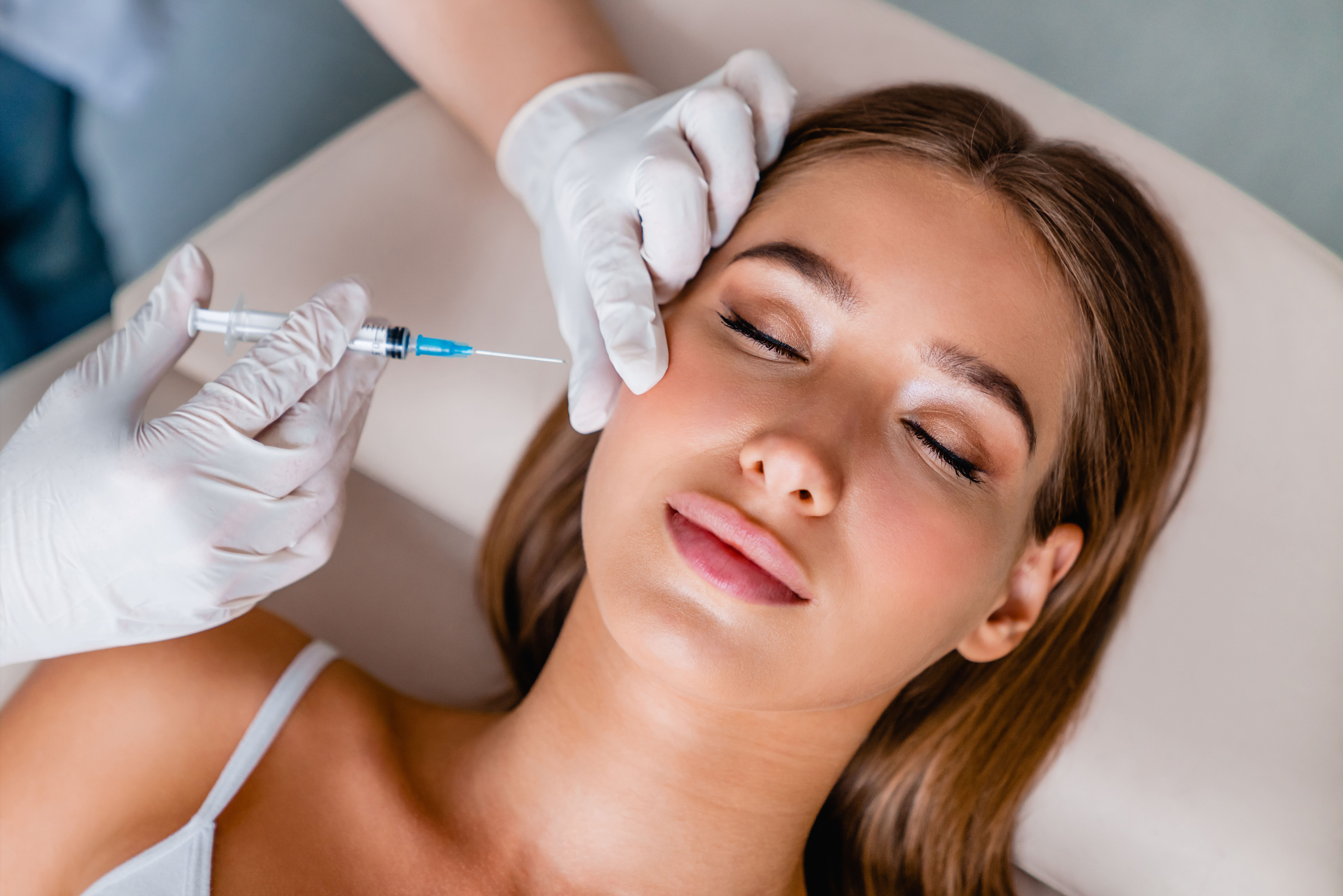
Botox is trusted by millions worldwide for reducing facial wrinkles and managing chronic migraines. Yet many people ask a simple question before treatment: can Botox cause headaches? Understanding why headaches may appear after injections helps patients feel informed, calm, and prepared before stepping into a clinic.
Understanding How Botox Works
Botox, short for botulinum toxin type A, works by relaxing specific muscles. It blocks the nerve signals responsible for muscle contractions, which softens wrinkles and fine lines on the skin. In medical care, doctors also use Botox to treat muscle stiffness, excessive sweating, and migraines. Though it is considered safe and effective, a small number of people report mild headaches after treatment. These headaches usually pass quickly, but the reason they happen is worth exploring.
If you want a professional consultation or treatment from trusted specialists, Learn more about our Botox services to understand how expert care ensures both comfort and precision.
Why Some People Get Headaches After Botox
Every person responds differently to Botox. While many leave the clinic without any side effects, a few experience tension or pressure around the forehead or temples. Several factors contribute to these headaches, from muscle reaction to anxiety before or during the injection.
Injection Technique and Placement
Precision plays a major role in a smooth recovery. When the injection goes slightly deeper than intended or too close to a sensitive area, nearby tissues can become irritated. This minor trauma may trigger short-lived headaches. Proper needle control, steady hands, and knowledge of facial anatomy greatly reduce this risk.
Muscle Adjustment
Once Botox starts relaxing targeted muscles, nearby ones may overcompensate for a short period. This muscle imbalance can create temporary tension around the head and neck. The body adapts naturally within a few days, which is why most post-Botox headaches fade without treatment.
Nerve Response
Nerves that communicate with muscles sometimes react unpredictably after the neurotoxin takes effect. The brief disruption in signal transmission can lead to discomfort or mild head pain. This reaction does not mean the procedure failed; it simply reflects the body’s temporary adjustment phase.
Emotional and Physical Stress
Anxiety before or during injections can cause the neck and facial muscles to tighten. That tension may continue after treatment and appear as a mild headache. Practicing relaxation techniques and trusting an experienced injector help keep stress levels low.
Personal Health Factors
People who already struggle with migraines or frequent tension headaches may be more sensitive. Dehydration, caffeine withdrawal, or skipping meals can also increase the likelihood of a headache on the day of treatment. Proper hydration and rest before the appointment support a smoother recovery.
How Common Are Headaches After Botox
Headaches are among the less common side effects of Botox. Clinical studies and patient reviews suggest that only a small percentage experience them, and most describe the pain as mild. The sensation often resembles a dull, tight feeling in the forehead or scalp. Symptoms usually appear within the first one to two days and resolve within forty-eight hours. Rarely, a headache might last longer, especially in individuals with pre-existing migraine disorders.
The frequency of these headaches depends on factors such as dosage, injection site, and provider skill. Choosing a trained medical professional significantly reduces complications and helps ensure precise application.
Botox for Migraine Relief
Ironically, Botox is also a recognized treatment for chronic migraine. By relaxing overactive muscles and blocking pain-related chemicals, it helps reduce the number and intensity of headache days for patients with long-term migraine problems. The same mechanism that occasionally triggers mild post-injection headaches can, when used strategically, prevent debilitating migraine episodes.
Distinguishing between a short-lived cosmetic side effect and a therapeutic purpose highlights the versatility of Botox. For most individuals, the benefits far outweigh the temporary discomfort.
Recognizing and Managing Post-Botox Headaches
Identifying the pattern of pain helps determine if it relates to the injection. Headaches connected to Botox typically start within a day after the procedure. They often feel like pressure around the forehead, temples, or behind the eyes. The discomfort can feel similar to a tension headache and usually fades on its own.
Simple Ways to Relieve Discomfort
- Rest in a quiet, cool environment and drink plenty of water
- Take an approved over-the-counter pain reliever such as acetaminophen
- Apply a cold compress gently to the treated area
- Avoid massaging or rubbing the injection site
- Postpone intense workouts or bending forward for at least one full day
- Maintain good posture and stretch your neck to reduce muscle strain
Most headaches disappear naturally within twenty-four to forty-eight hours. If symptoms worsen or linger beyond three days, a follow-up with the provider is advisable.
Preventing Headaches Before They Start
Preparation plays a key role in minimizing risk. Booking your treatment with a qualified injector is the most effective step. Before the appointment, disclose any history of migraines, tension headaches, or medication use. Staying hydrated, eating a light meal, and avoiding alcohol or strenuous exercise on the same day all support recovery.
During the session, calm breathing and clear communication with your injector help prevent unnecessary tension. Afterward, follow every post-care instruction exactly as given. These small actions make a noticeable difference in comfort and results.
Professional Insight on Safety and Technique
Skilled practitioners rely on deep anatomical understanding to achieve natural results without discomfort. They know which facial zones are more sensitive and how to adjust injection patterns accordingly. Gentle technique reduces tissue trauma, and proper dosage avoids unnecessary muscle stress. Continuous patient observation during and after treatment helps identify any early signs of reaction, allowing fast support if needed.
Ethical and experienced providers also educate their patients on what to expect during recovery. This transparency builds trust and confidence, two qualities that matter just as much as technical ability.
Balancing Benefits and Possible Risks
Botox remains one of the safest and most researched cosmetic procedures in modern medicine. Side effects are typically minor and short in duration. When administered by trained professionals, the likelihood of severe reactions is very low. Most individuals enjoy smoother, younger-looking skin or fewer migraine days without long-term discomfort.
Recognizing that mild headaches can occur prepares patients mentally and physically. Clear expectations reduce anxiety, which itself can help prevent headaches. The treatment continues to grow in popularity precisely because its benefits consistently outweigh its risks.
Key Points to Remember
Botox can occasionally cause headaches, though they are usually mild and temporary
Proper injection technique, hydration, and stress control help prevent discomfort
Headaches generally fade within forty-eight hours and rarely require medical attention
Choosing a qualified injector significantly lowers the risk of side effects
Botox also treats chronic migraines, showing that the same product can both relieve and trigger mild head pain depending on use
Conclusion
Headaches after Botox are possible but rarely concerning. Most fade quickly as the body adapts to muscle relaxation. Understanding the reasons behind these headaches, along with proper aftercare, allows patients to enjoy results confidently. Whether the goal is smoother skin or relief from migraines, Botox continues to offer safe and effective outcomes under expert hands.
To explore professional treatments and personalized care, visit Dr. Gray’s Aesthetics where trusted specialists deliver advanced, natural-looking results tailored to your needs